Ensure your fire doors are fully compliant and protecting occupants. FDIS-qualified reports, trade-experienced inspectors, fast turnaround.
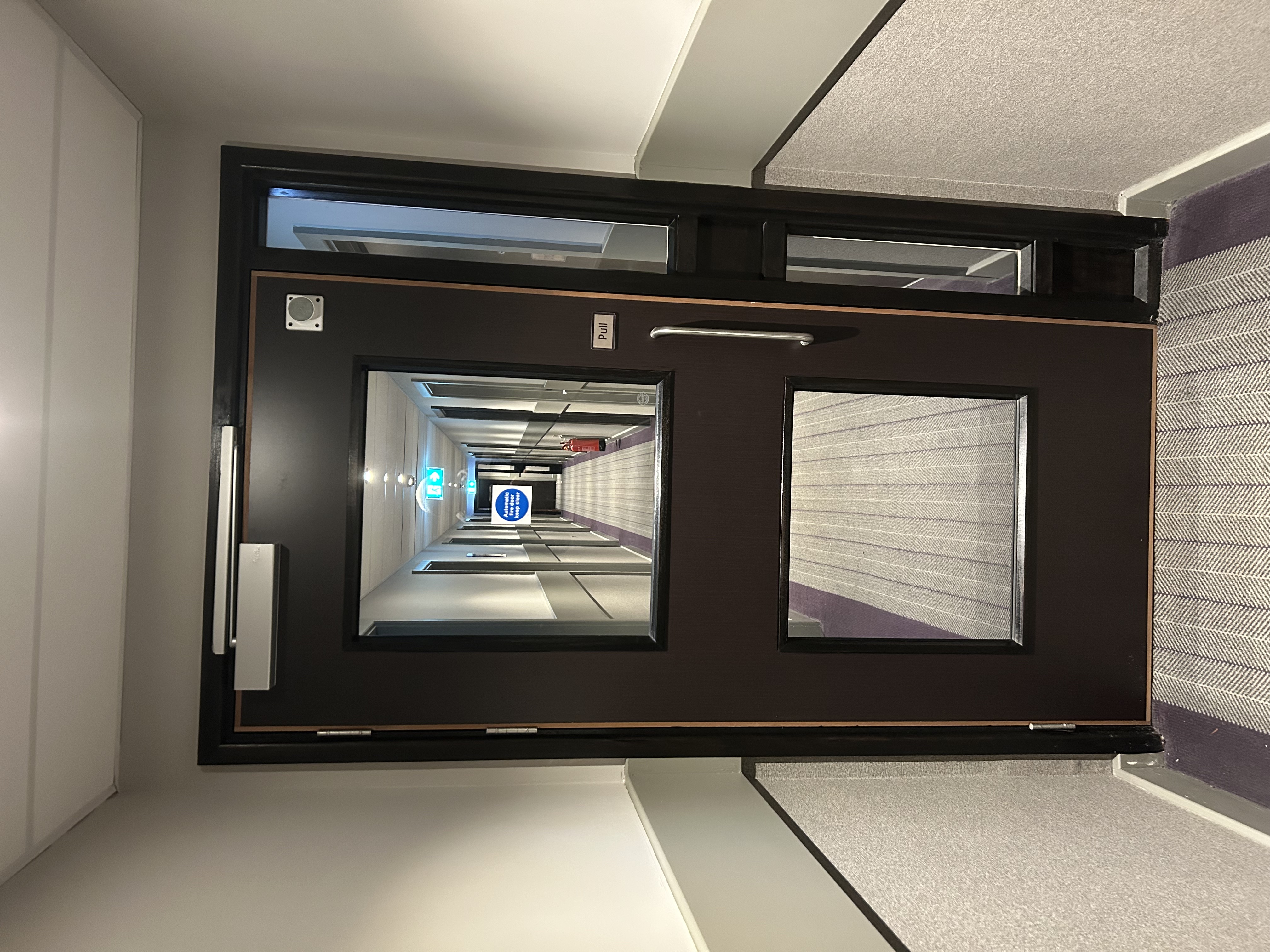
A fire door is a life-safety system. It is not just a door — it is an engineered assembly of components designed to resist fire and smoke for a rated period, typically 30 or 60 minutes. Every component matters: the leaf, the frame, the seals, the ironmongery, the glazing, and the closer.
A fire door inspection is a systematic assessment of each fire door as a complete assembly against BS 8214:2016 and current legislation including the Fire Safety Act 2021 and Building Safety Act 2022. The inspection identifies defects, non-compliance, and damage that could cause the door to fail in a fire.
Under the Fire Safety Act 2021, responsible persons must ensure fire doors in communal areas of multi-occupied residential buildings are inspected regularly. For non-domestic premises, the Regulatory Reform (Fire Safety) Order 2005 requires all fire safety measures — including fire doors — to be maintained in good working order.
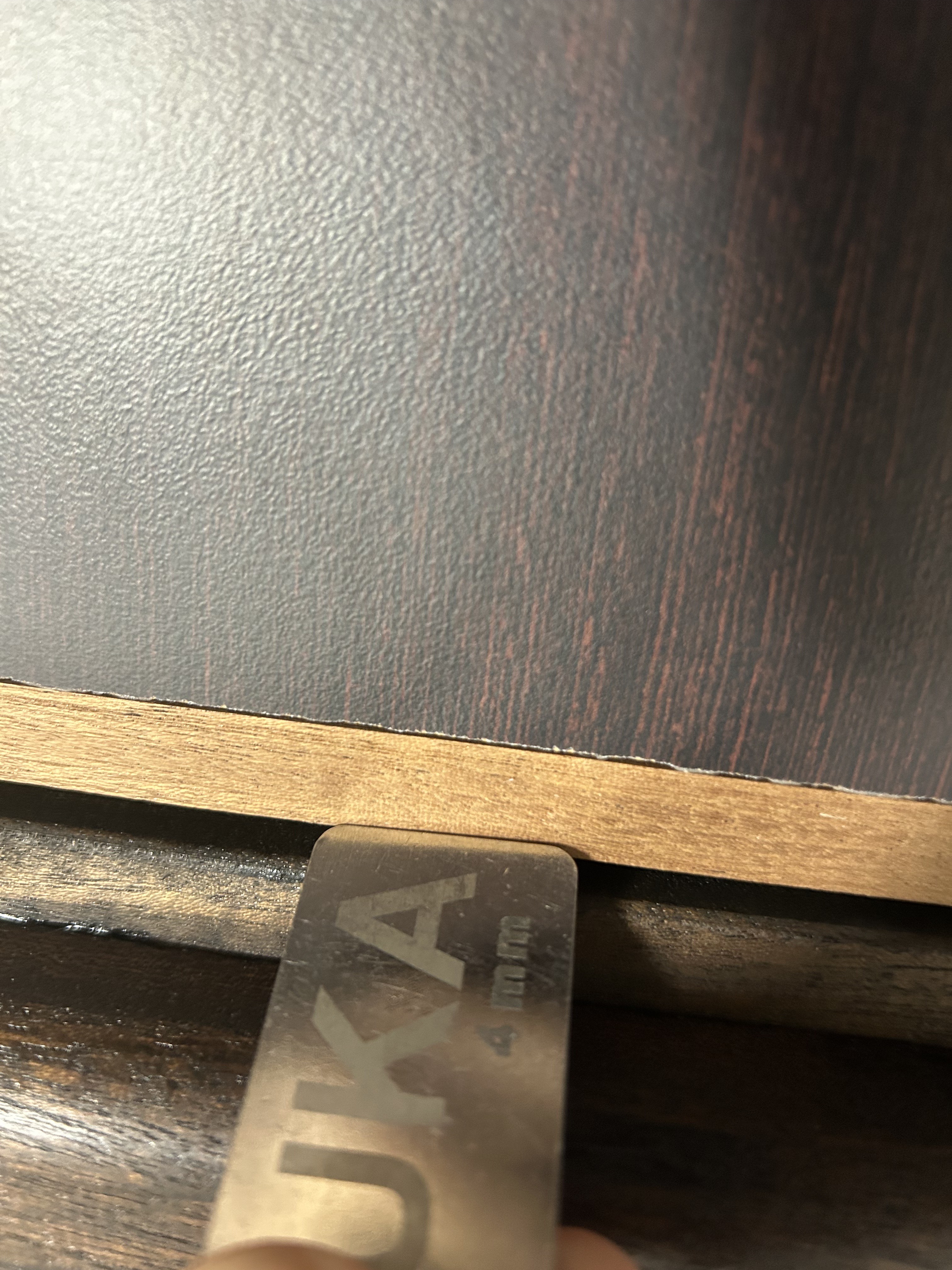
Each fire door is assessed as a complete assembly. Every component is inspected, measured, and documented.
Damage, delamination, warping, holes, splits, and any repairs that may have compromised the fire rating.
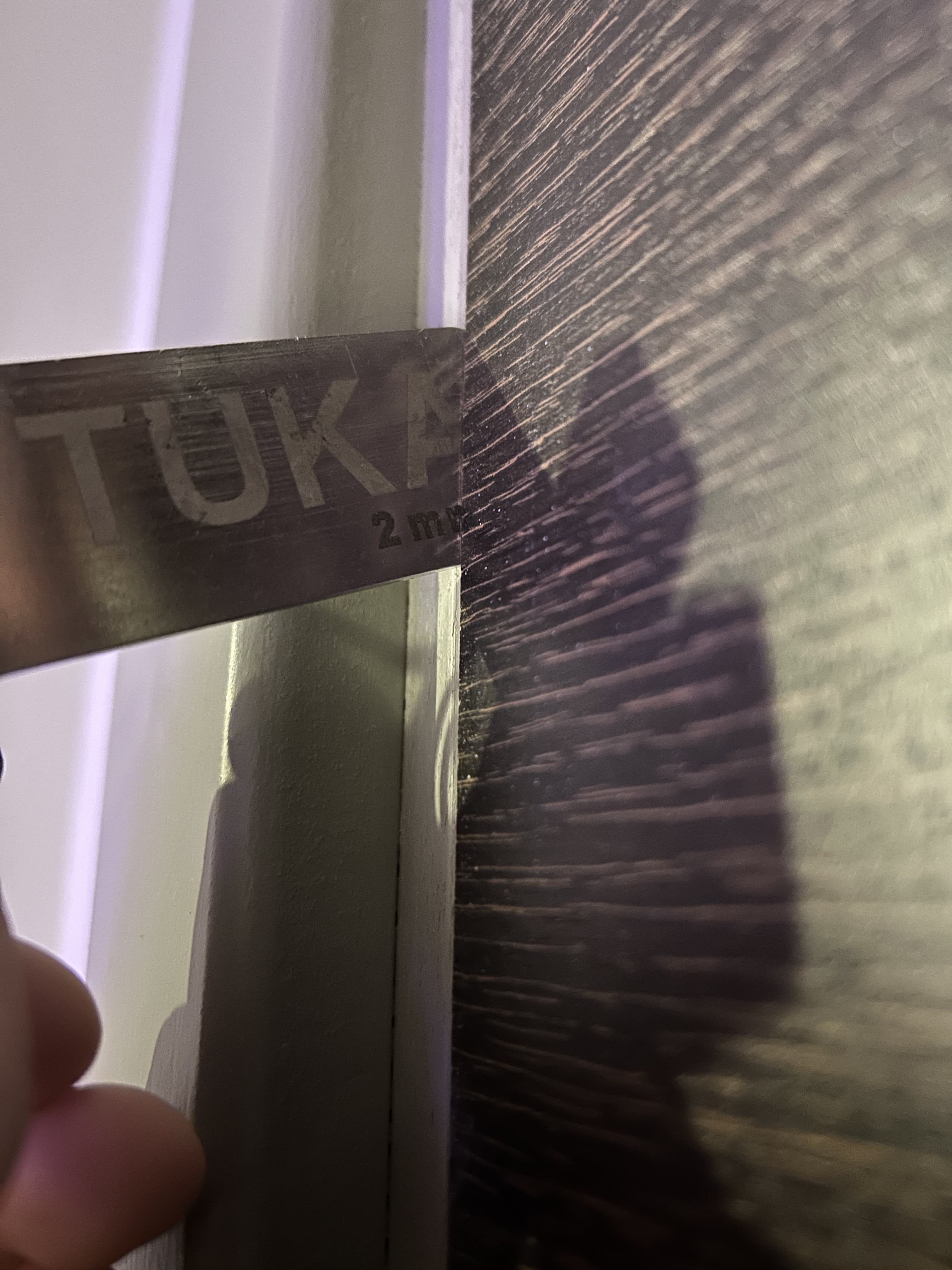
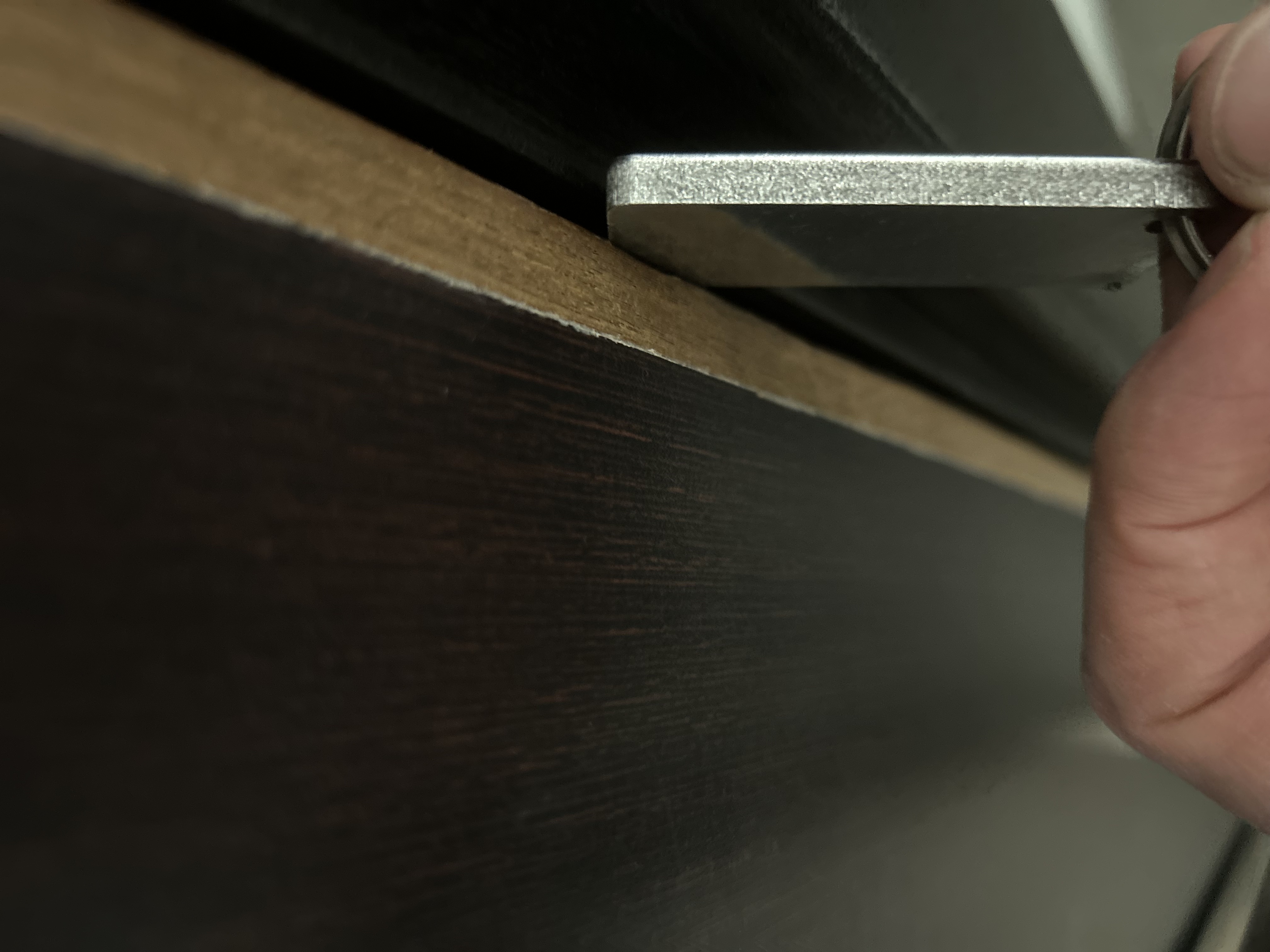
Leaf to frame (maximum 3mm), threshold (maximum 8mm with threshold seal, or 3mm without). Measured at multiple points.
Present, intact, correctly fitted, and appropriate for the door rating. Both intumescent and cold smoke seals checked.
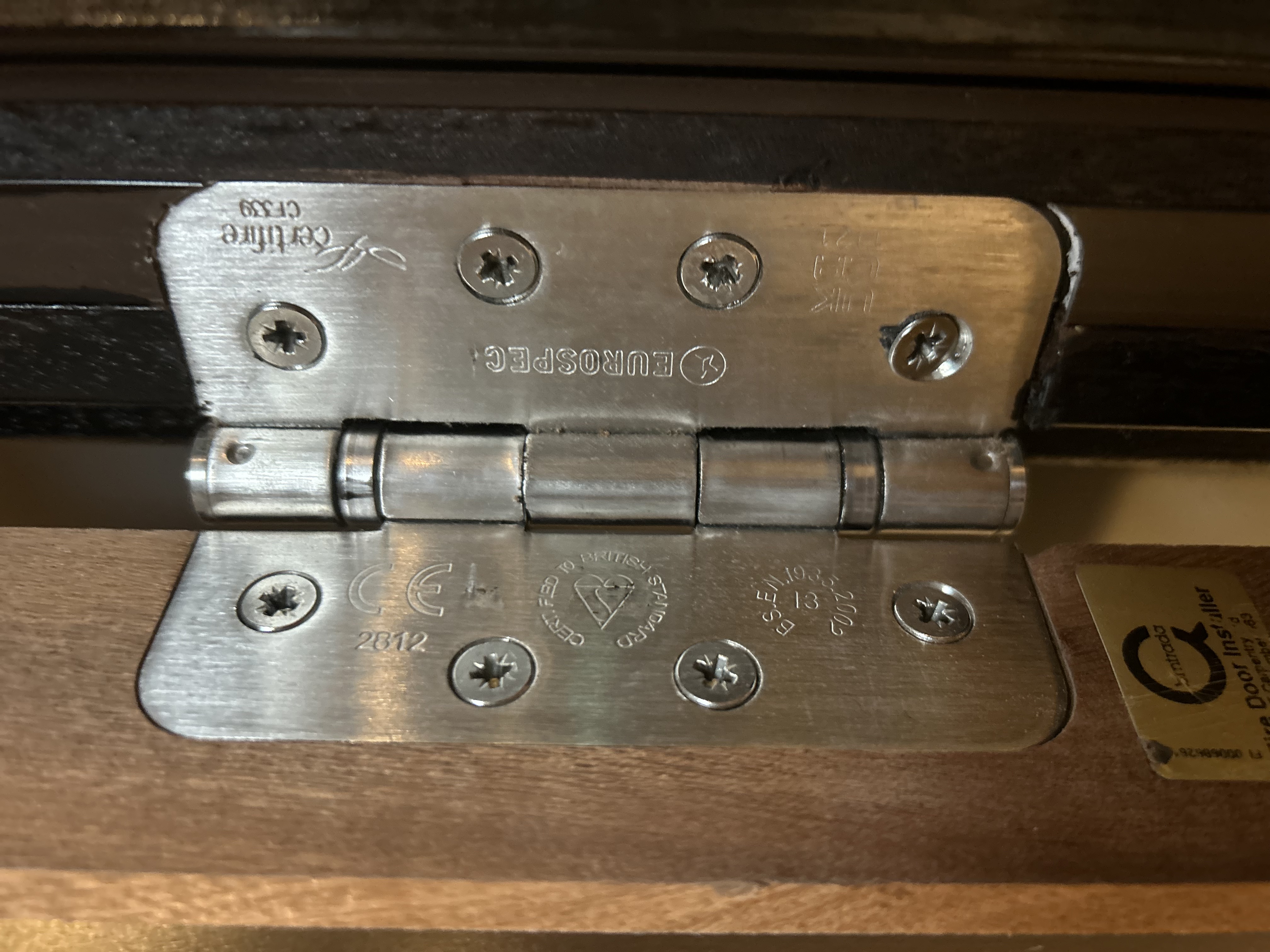
Correct grade (CE marked), correct quantity (minimum 3 for FD30), condition, fixings secure and complete.
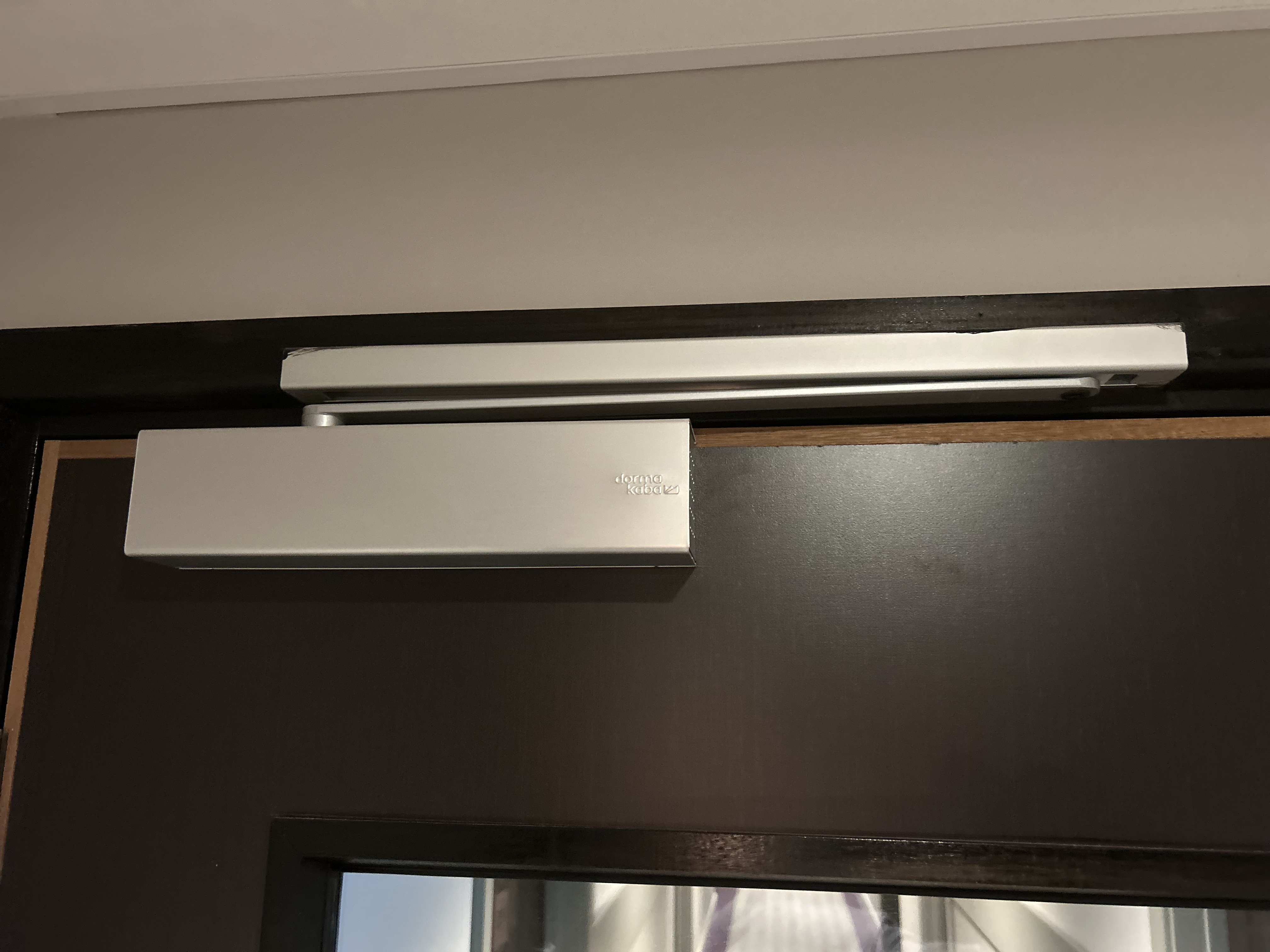
Fitted, functioning correctly, closes the door fully into the frame from any position. Correct type for the door weight and size.
Correct type for the application, operating correctly, latch engaging fully, strike plate aligned.
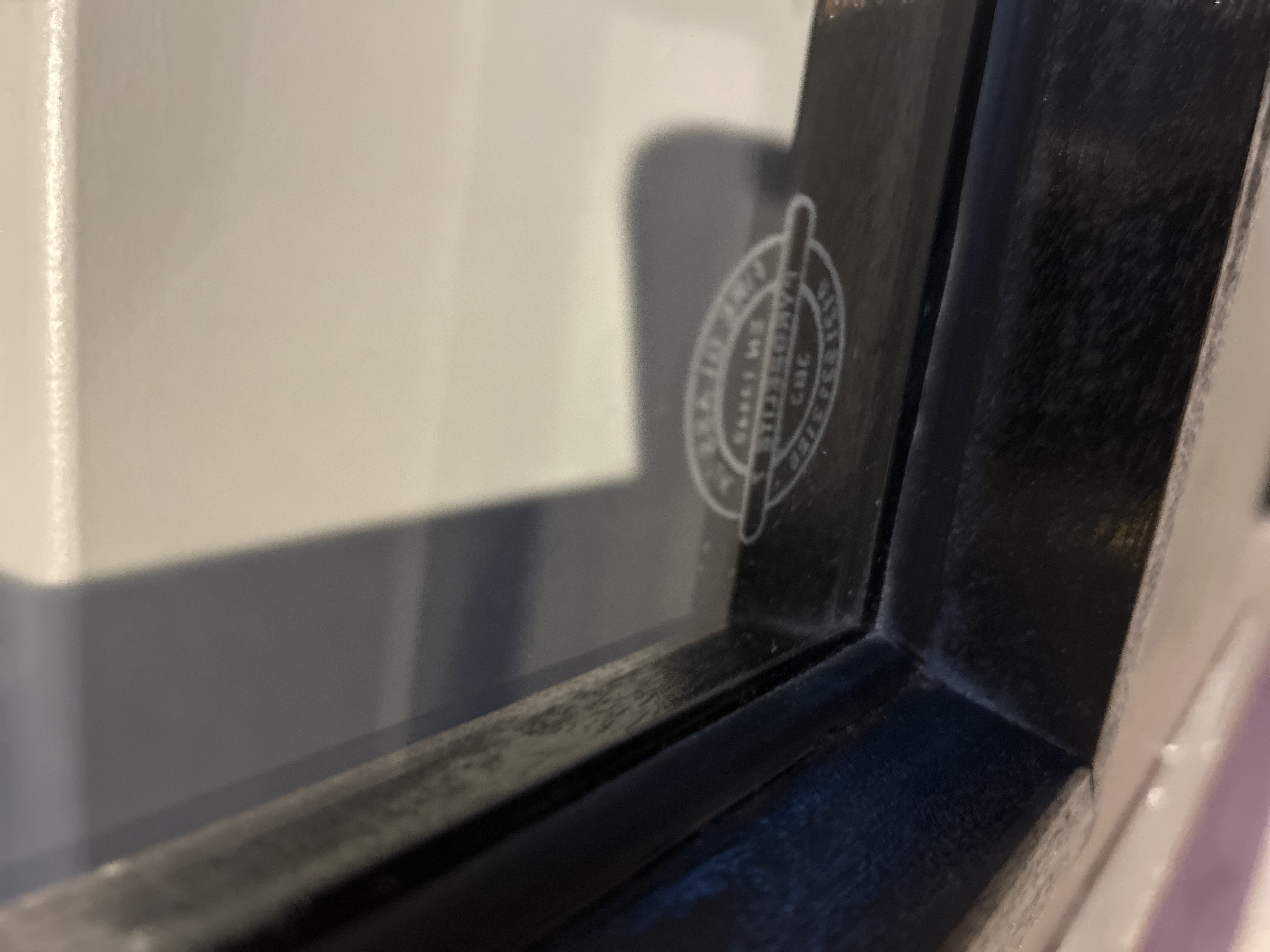
Correct fire-rated glass, glazing beads intact, intumescent glazing seals present, no cracks or damage.
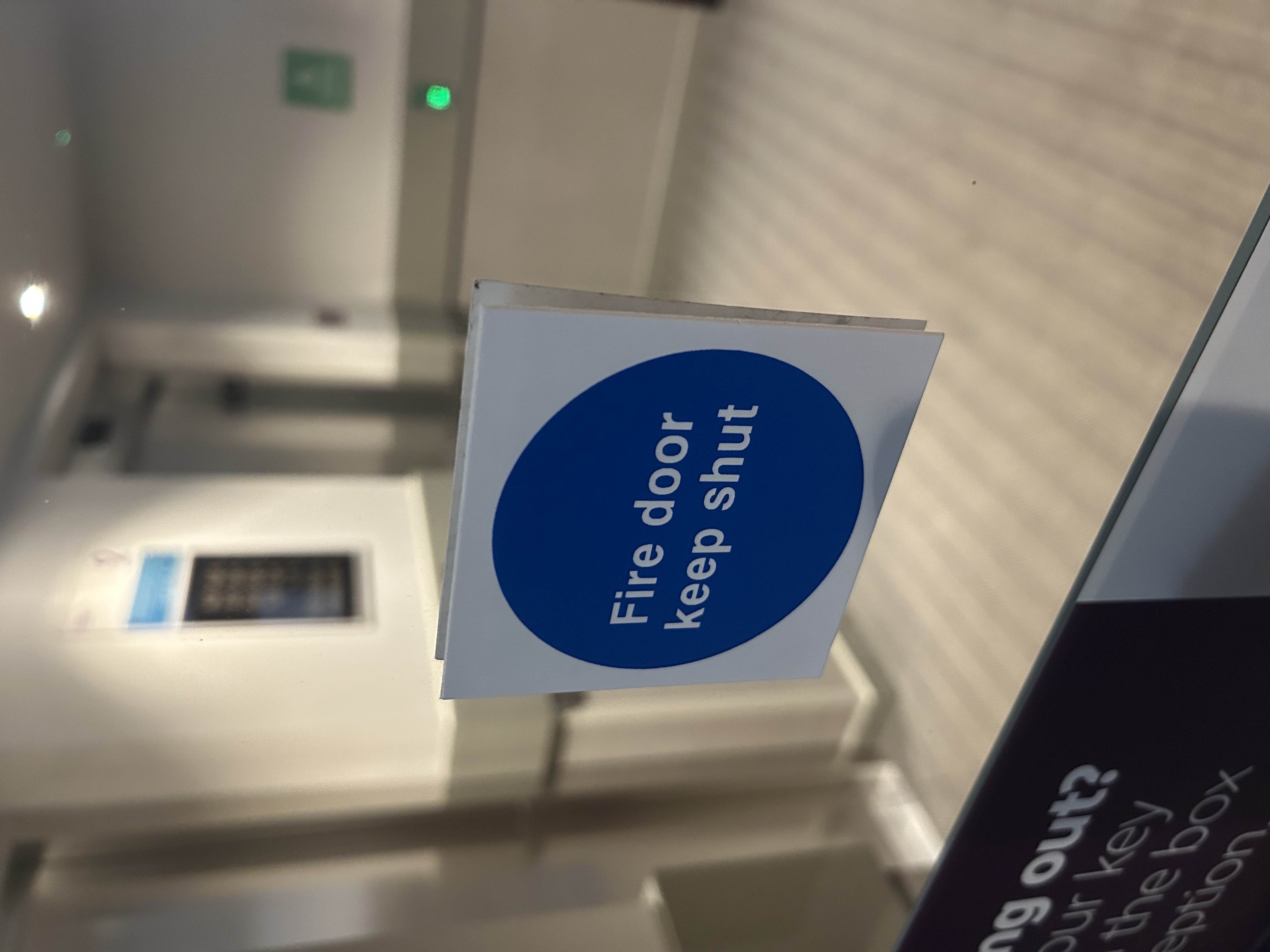
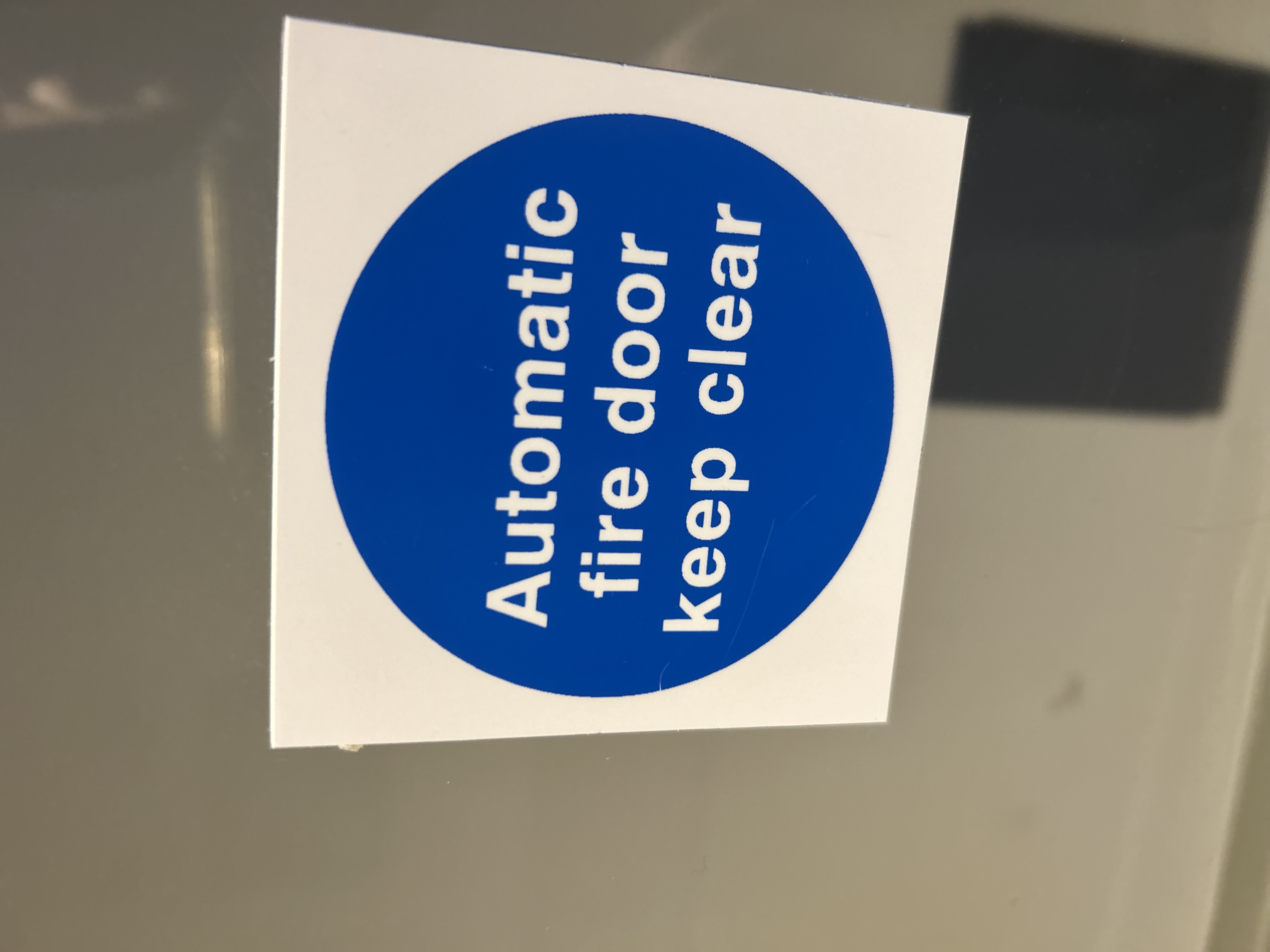
Mandatory “Fire Door Keep Shut” or “Fire Door Keep Locked” signage present, legible, and correctly positioned.
Fixings secure, no gaps between frame and wall, no damage or deterioration that could compromise integrity.
Automatic drop seals where fitted — operating correctly, sealing fully when the door closes.
Fire doors fail for predictable reasons. Here are the defects we find most frequently.
Important: Most buildings we inspect contain multiple non-compliant fire doors. A single failed fire door can compromise an entire compartment line — allowing fire and smoke to spread unchecked.
Under UK law, fire door inspections must be carried out by a “competent person” — someone with sufficient knowledge, training, and experience to identify defects and assess compliance. There is no single mandatory qualification required by legislation.
In practice, competence requires a deep understanding of the relevant standards (BS 8214, Approved Document B), construction methods, fire door assembly requirements, and the ability to identify what compliance looks like — and what failure looks like.
While anyone technically competent can inspect, fire doors are highly technical assemblies where seemingly minor defects can cause catastrophic failure in a fire. This is why practical trade experience matters.
Our inspectors are qualified carpenters and firestoppers. They’ve installed, adjusted, and repaired hundreds of fire doors. They know what good looks like and what failure looks like — because they’ve built and fixed both.
Every inspection produces a comprehensive, audit-ready report designed for decision-makers, compliance officers, and external auditors.
Suitable for submission to responsible persons, housing associations, local authorities, and insurance providers.
To carry out a thorough inspection, we need the following from you on the day.
A full assessment of every fire door as a complete assembly against BS 8214 and current legislation. We check the door leaf, gaps, intumescent strips, smoke seals, hinges, door closer, locks, glazing, signage, frame condition, and threshold seals. Every defect is photographed and documented.
Under the Fire Safety Act 2021, front entrance doors to individual flats should be inspected at least every 3 months (quarterly). All other communal fire doors should be inspected at least every 12 months (annually). BS 8214 recommends frequency based on usage and risk — high-traffic doors may need more frequent inspection. Read our full guide →
A full door schedule with pass/fail status per door, photographs of every defect, categorised defect descriptions with severity ratings (critical, major, minor), and prioritised remedial recommendations. The report is audit-ready and suitable for submission to stakeholders, regulators, and insurers.
Approximately 10–15 minutes per door depending on accessibility and condition. For a building with 50 fire doors, you can expect around 1–2 days on site. We work around your building’s schedule to minimise disruption.
Yes. Our inspectors are qualified carpenters and firestoppers. We scope and deliver remedial works directly, so issues can be resolved without the need to manage a separate contractor. Remedial works are quoted separately based on the inspection findings.
We offer competitive per-door pricing. Use our instant quote calculator for an estimate, or contact us for a formal quote. Multi-site and volume discounts are available.
We cover Buckinghamshire, Berkshire, Oxfordshire, London, and the wider South East. For larger multi-site programmes, we can cover a wider geography — get in touch to discuss.
Maximise the value of our visit. These services can be added to any fire door inspection.
Get an instant estimate with our quote calculator, or speak with an expert about your building and compliance requirements.
Or call us: +44 7770 871782
Tell us about your property and compliance requirements. We respond to every enquiry within 24 hours with a clear, no-obligation quote.